Batch similar actions
Group messaging, filing, and shallow tasks so context changes happen less often within an hour.

Informational overview
This page summarises practical ways teams describe structuring breaks, boundaries, and attention when working across screens. The material is descriptive and intended for general workplace information use.
Switching between tasks, notifications, and dense layouts can increase the number of decisions per minute. Many teams document this as a scheduling and environment topic rather than a personal trait.
Mapping inputs—sources of interruption, meeting cadence, and tool notifications—helps explain why certain days feel heavier without assigning blame to individuals.
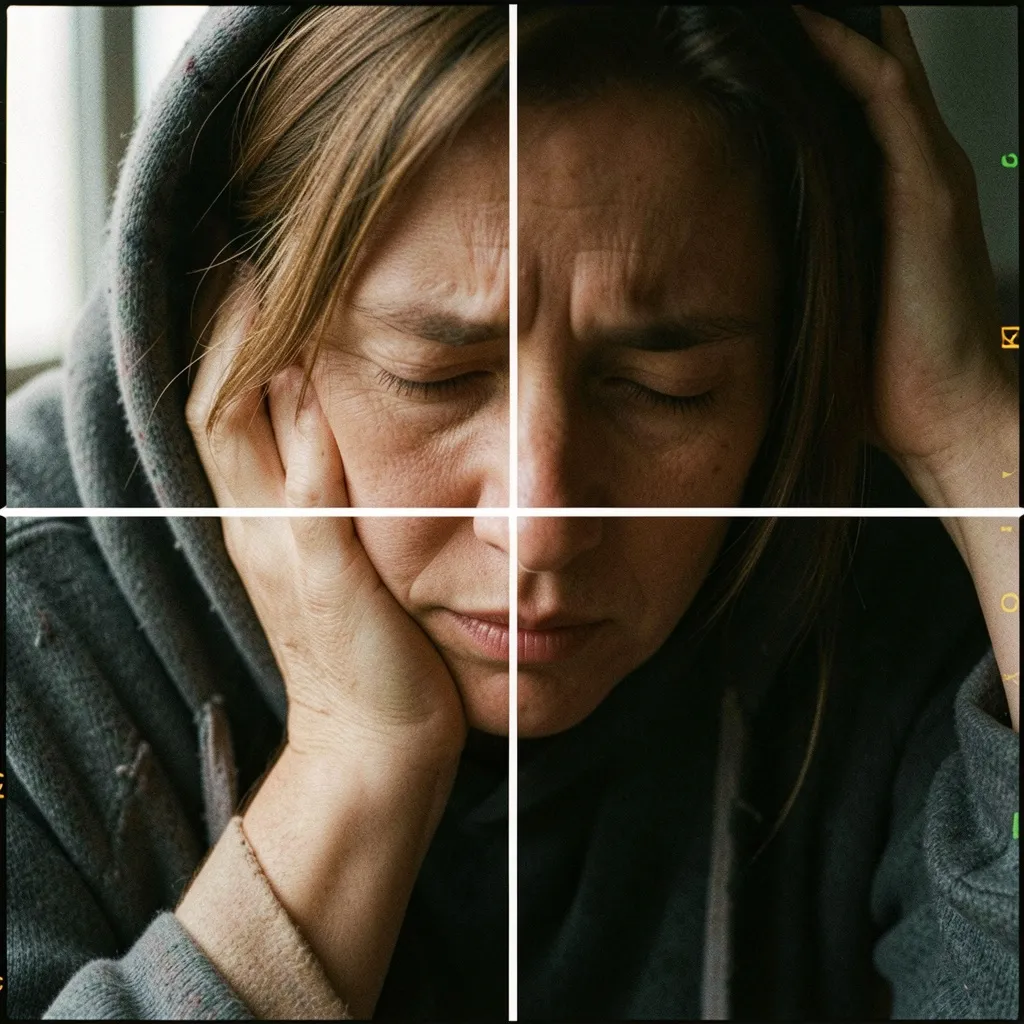

Short, planned pauses—away from active typing or reading on a display—are often used to let visual and motor patterns reset. The emphasis here is on repeatable timing, not outcomes.
Illustrative steps only; adapt to your context and policies.
Group messaging, filing, and shallow tasks so context changes happen less often within an hour.
Close optional panels and secondary devices when one channel needs accuracy.
Archive or pin open items so the next session begins from a defined list.

These are observational categories sometimes used in internal retrospectives. They are not diagnostic labels.
Counted per hour during representative days.
Length of uninterrupted reading or drafting time.
Volume relative to agreed availability windows.
Anonymous patterns collected during workshops; presented without promotional language.
Participants often mention that visible timers make it easier to respect planned pauses.
Several groups prefer async summaries instead of live meetings for status-only updates.
Shared document norms reduced duplicate questions in one pilot cohort.
Listed for transparency. Fees are indicative and may change.
Downloadable outlines for scheduling reviews and pause templates.
AUD 12
Single facilitated walkthrough of environment mapping exercises.
AUD 180
Multi-week asynchronous prompts with shared office hours.
AUD 420
10 Yarra St, South Yarra VIC 3141, Australia +61 3 8825 3500 contact@zythorintyxon.world Site: zythorintyxon.world
Map: search the address above in your preferred maps application for current directions.